
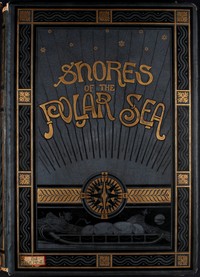
Shores of the Polar Sea: A Narrative of the Arctic Expedition of 1875-6 by Moss
Let me set the scene for you: London, 1875. Britain, feeling that classic Victorian urge to map every last blank spot on the globe, sends two sturdy ships, the Alert and the Discovery, north. Their goal? To plant the Union Jack at the North Pole. Onboard the Alert is Edward Moss, a young ship's surgeon with a keen eye and a notebook. His account is our ticket to the journey.
The Story
The story follows the expedition from hopeful departure to grueling reality. The ships push through the dangerous ice floes of Baffin Bay and into the narrow channels of the High Arctic. They achieve something incredible—the Alert becomes the first vessel to winter so far north, locked in the ice of the Lincoln Sea. Then, the true test begins. Sledging parties, including one led by Moss, set out across the chaotic, frozen sea toward the Pole. They face impossible terrain, brutal cold that freezes brandy solid, and the strange, draining effect of constant darkness. The dream of the Pole fades, replaced by the urgent need to simply get everyone home alive before the next winter seals their fate. It's a story of endurance, camaraderie, and the slow, sobering recognition of limits.
Why You Should Read It
What got me about this book wasn't just the adventure; it was Moss's voice. He's not a distant historian; he's a guy on the ship. He writes about the beauty of the aurora borealis with the same detail he gives to a gruesome case of frostbite. You get the daily weirdness—celebrating Christmas with dwindling supplies, the boredom, the jokes that keep men sane. He introduces you to the crew, their strengths and their fears. The book also doesn't shy away from the hard parts: the illness (scurvy was a major enemy), the moments of despair, and the ethical weight of relying on Inuit knowledge and guides while on a 'superior' national mission. It's a complex, human document.
Final Verdict
Perfect for anyone who loves real-life survival stories, armchair explorers, and fans of narrative history like Endurance or In the Heart of the Sea. If you enjoy primary sources that let you hear the past directly, Moss is a fantastic and surprisingly readable guide. Just be warned: you'll feel a chill reading it, and you'll never complain about a cold winter day again.
This is a copyright-free edition. You do not need permission to reproduce this work.
Nancy Jones
10 months agoThe digital index is well-organized, making research much faster.









James Lopez
6 months agoA brilliant read that I finished in one sitting.