
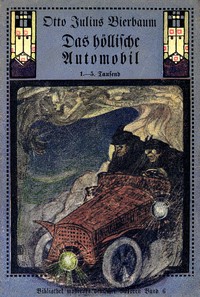
Das höllische Automobil: Novellen by Otto Julius Bierbaum
Otto Julius Bierbaum's Das höllische Automobil (The Hellish Automobile) is a collection of novellas, but the title story is the undeniable star. Published in 1909, it captures a world on the cusp of the modern age, where new machines inspired both wonder and deep fear.
The Story
The plot kicks off with the sudden appearance of a phantom automobile. It's not just any car; it's described as unnervingly perfect and silent, operating with a mind of its own. It races through rural roads and peaceful towns, causing havoc not through malicious intent, but through its mere existence. Accidents happen, horses bolt, and the social order is disrupted. The narrative follows various townsfolk and outsiders as they encounter the vehicle. A reporter tries to hunt it down for a story, authorities attempt to apprehend it, and ordinary people grapple with this symbol of unstoppable progress. The mystery isn't really who is driving it, but what is driving it, and what its arrival means for their way of life.
Why You Should Read It
What hooked me was how Bierbaum uses this simple, eerie premise to poke at bigger ideas. This isn't a horror story about a killer car; it's about the horror of the new. The automobile is a blank screen onto which the characters project their anxieties about speed, change, and losing control. The real tension comes from the human reactions—the panic, the superstition, the futile attempts to apply old rules to a new problem. Bierbaum's writing has this dry, observational wit that makes the absurdity of the situation even sharper. You can feel the author both marveling at the machine's potential and being deeply suspicious of it.
Final Verdict
This book is perfect for readers who love classic weird fiction from authors like M.R. James or early sci-fi, but want something with a distinctly European, philosophical flavor. It's also a great pick for anyone interested in the history of technology and how people reacted to it. The prose is clear and the concepts are gripping, so don't be put off by its age. Think of it as a slow-burn, thoughtful thriller about the moment society realized the future was going to be loud, fast, and a little bit scary.
Legal analysis indicates this work is in the public domain. Thank you for supporting open literature.
Ashley Johnson
1 year agoComparing this to other titles in the same genre, the author doesn't just scratch the surface but goes into meaningful detail. I am looking forward to the author's next publication.
John White
2 months agoThe citations provided are a goldmine for further academic study.
Donna King
1 year agoLoved it.
Ava Ramirez
8 months agoThis is one of those stories where the clarity of the writing makes this accessible. A true masterpiece.

Emily Thomas
11 months agoThis is now a staple reference in my professional collection.