
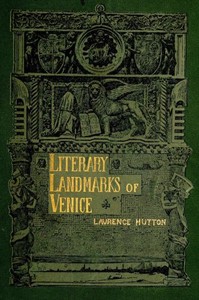
Literary Landmarks of Venice by Laurence Hutton
Forget the standard tour guides that tell you about architecture and dates. Laurence Hutton’s Literary Landmarks of Venice is a different kind of map. Published in 1897, it’s a passionate, personal tour of the city through the eyes of the writers who were captivated by it. Hutton doesn’t just list names and addresses. He acts as your bookish friend, leading you to the specific house where John Ruskin meticulously studied Venetian stones for his work, or the hotel where Charles Dickens stayed and found inspiration. He shares anecdotes and local gossip about these literary giants, making them feel like real people who just left the room.
The Story
There isn’t a traditional plot, but there is a clear journey. The book is structured as a series of walks. Hutton starts with a general love letter to Venice’s inspiring atmosphere, then gets down to the specifics. Each chapter focuses on a different writer or group of writers connected to the city. He meticulously documents where they lived, worked, and socialized, often quoting from their letters and works written there. From the grand haunts of poets like Percy Bysshe Shelley to the quieter retreats of novelists like George Sand, Hutton builds a portrait of Venice as a crucial, almost magical workshop for creative minds across centuries.
Why You Should Read It
What makes this old guide feel so fresh is its sense of discovery. Hutton’s enthusiasm is contagious. Reading it, you feel like you’re on a treasure hunt, uncovering secret connections between place and art. It adds a rich, personal layer to famous works. Knowing that a specific sonnet was composed while looking at a certain view from a palazzo window changes how you read it. It bridges the gap between the monumental, tourist Venice and the intimate, lived-in city that artists experienced. For anyone who loves literature, history, or travel, it’s a deeply satisfying blend of all three.
Final Verdict
This book is a gem for a specific but wonderful audience. It’s perfect for travelers to Venice who want to look beyond the gondolas, for literature lovers who enjoy biographical deep-dives, and for history fans who like their facts served with personality. Be warned: it was written over 120 years ago, so some references might feel dated, and the Venice he describes has changed. But that’s part of its charm—it’s also a historical snapshot. If you’ve ever read a poem about Venice and wanted to stand in the poet’s shoes, Hutton gives you the directions.
The copyright for this book has expired, making it public property. Thank you for supporting open literature.







Ashley Lopez
4 months agoI appreciate the objective tone and the evidence-based approach.