
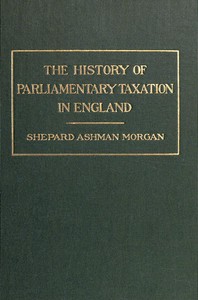
The History of Parliamentary Taxation in England by Shepard Ashman Morgan
Let's be honest: a book with 'Parliamentary Taxation' in the title sounds like it belongs on a professor's shelf, not your nightstand. But Shepard Ashman Morgan's book is a welcome surprise. It reads less like a legal textbook and more like a political thriller, if the stakes were tax rates and the weapons were petitions and procedural maneuvers.
The Story
The book doesn't have a single protagonist. Instead, the main character is an idea: that the people being taxed should have a voice. Morgan starts in the Middle Ages, when kings would basically demand money from their subjects. He then walks us through the slow, messy, and often confrontational process of building a system to challenge that. We see barons forcing King John to sign the Magna Carta, not just for noble rights, but to control taxes. We watch Parliament slowly evolve from an occasional meeting into a powerful institution, largely because it held the keys to the treasury. Every war, from conflicts with France to civil wars at home, became a crisis about who paid for it and who decided. The story ends with the idea firmly planted that the government's power to tax comes from the consent of the governed—a revolutionary concept that took centuries to win.
Why You Should Read It
What grabbed me was how human it all felt. This isn't just about statutes; it's about pressure. You see clever Parliamentarians finding loopholes, stubborn monarchs overplaying their hand, and the constant public anger over unfair levies on things like wool or windows. Morgan connects these old battles to things we still argue about today: fair shares, government spending, and political accountability. It makes you realize that our modern debates about budgets and taxes are part of a conversation that's been going on for almost a millennium. The book gives you a deep appreciation for how hard-fought and fragile our systems of consent really are.
Final Verdict
This is perfect for anyone who enjoys history, politics, or a good underdog story. If you liked books like How to Hide an Empire or These Truths, you'll appreciate the way Morgan makes institutional history feel urgent and alive. It's for the curious reader who wants to understand why our governments are structured the way they are, told through the one thing that has always gotten everyone's attention: their money. You'll never look at a tax form the same way again.
This digital edition is based on a public domain text. Knowledge should be free and accessible.
Jennifer Perez
1 year agoAfter a thorough walkthrough of the table of contents, the way it challenges the status quo is both daring and well-supported. It’s hard to find this much value in a single source these days.
Patricia Moore
11 months agoGiven the current trends in this field, the objective evaluation of the pros and cons is very refreshing. It’s a comprehensive resource that doesn't feel bloated.
Emily Johnson
7 months agoHaving read the author's previous works, the language used is precise without being overly academic or confusing. I’ll definitely be revisiting some of these chapters again soon.
Thomas Martinez
5 months agoBefore I started my latest project, I read this and the language used is precise without being overly academic or confusing. A solid investment for anyone's personal development.




Patricia Miller
9 months agoInitially, I was looking for a specific answer, but the objective evaluation of the pros and cons is very refreshing. If you want to master this topic, start right here.